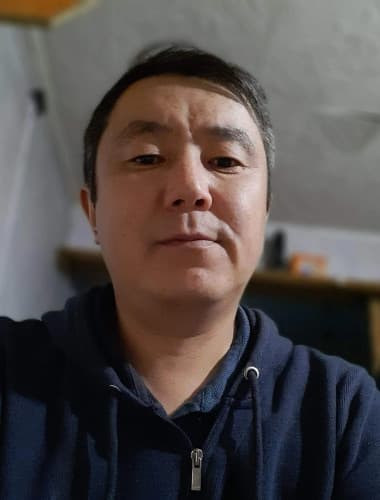
Unknown male 96
An unidentified male from Sakhalin was sentenced to five and a half years in a general regime colony for allegedly sharing pro-Ukrainian nationalist ideology and calling for armed rebellion via a messenger.
Russia
Политические заключённые в России
1,209 documented cases
Russia holds the largest documented population of political prisoners in Europe. Since the full-scale invasion of Ukraine in February 2022, prosecutions under Article 207.3 ('fakes' about the army) and Article 280.3 ('discrediting' the army) have driven a sustained wave of arrests of journalists, anti-war demonstrators, ordinary citizens posting on social media, and members of suppressed religious or ethnic minorities.
Political Prisoner Watch aggregates verified case records from the leading Russian human rights organizations — OVD-Info, Political Prisoners Support. Memorial, and Mediazona — translates them into English, and standardizes the case taxonomy so journalists, lawyers, and researchers can search by region, charge, demographic, and urgency. Cases here are sourced from public reporting; we do not generate primary documentation.
Primary sources: OVD-Info, Political Prisoners Support. Memorial, Mediazona
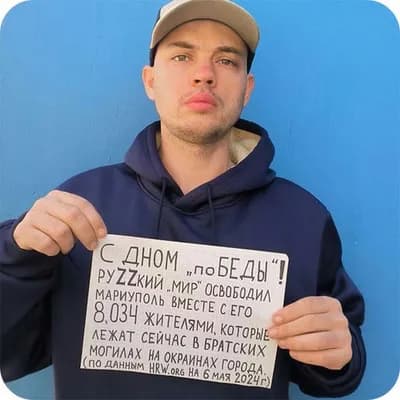
An unidentified male from Sakhalin was sentenced to five and a half years in a general regime colony for allegedly sharing pro-Ukrainian nationalist ideology and calling for armed rebellion via a messenger.
A resident of Sevastopol was prosecuted for calls to extremism. She allegedly left comments in "anti-Russian" Telegram channels calling for "violent actions of an extremist nature."

Igor Orzhevsky, a blogger from Moscow, faces charges for spreading false information about the Russian Armed Forces, public justification of terrorism, incitement to hatred and rehabilitation of Nazism. The case is related to his publications about the war in Ukraine and criticism of Putin; he sought political asylum in the US and was detained.
Roman Zubov, a resident of Feodosia, was sentenced to 2 years and 6 months in prison for calls to extremism made in a Telegram community. The charges stemmed from comments he made that allegedly called for violence against Russians based on ethnic hatred.
In March 2022 Russia created two crimes that did not exist before the invasion. Almost everyone documented under them was prosecuted for online speech.
Treason was Russia's rarest political charge — two documented arrests in 2019. Since the invasion it has become an assembly line: dozens of ordinary people a year, drawing the longest sentences in our database for donations, messages and photographs.
402 of 1,209 cases are not yet plotted on the map, typically because the public source did not record a precise location.
Figures reflect documented cases in this database · a lower bound, not an official total